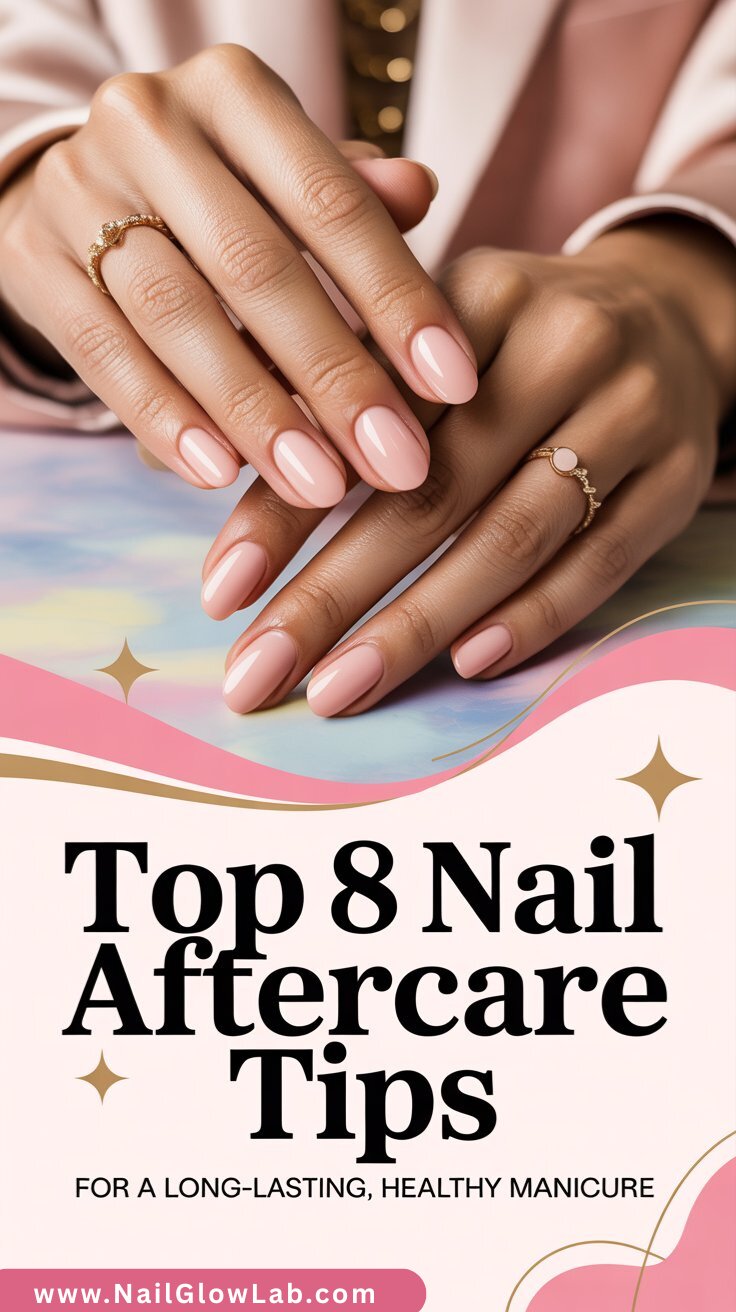
You booked the appointment. You picked the perfect shade. You walked out with flawless shape, glossy finish, and nails that finally look exactly how you envisioned them.
But within a few days, you notice it: a tiny chip at the edge, slight lifting near the cuticle, or that dull, tired look that makes you wonder, “Did I do something wrong?”
Here’s the truth: a great manicure doesn’t end when you leave the salon or apply that final top coat. What happens in the days and weeks after is what determines how long it lasts—and how healthy your natural nails stay underneath.
Proper aftercare isn’t just about preserving polish. It’s about protecting your nail bed, preventing premature lifting, avoiding damage, and keeping your hands looking fresh, strong, and polished week after week.
Whether you wear gel, acrylic, dip powder, or regular polish, these 8 essential aftercare tips will transform how your manicure wears. Let’s dive in.
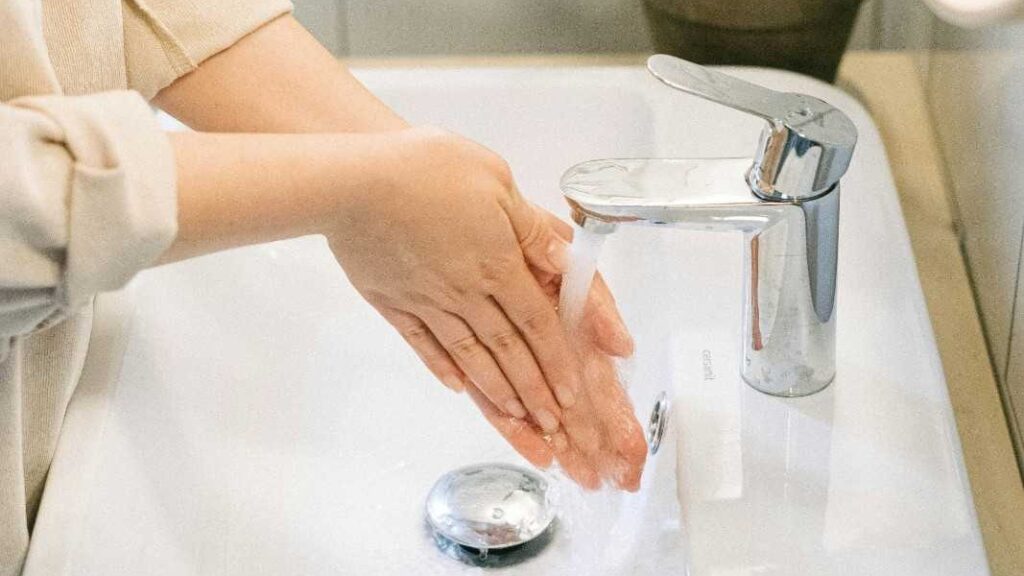
1. Wash Hands with Antibacterial Soap (The Right Way)
Why it matters: Clean hands prevent bacteria, fungi, and debris from getting trapped under lifted edges or cuticle gaps. Poor hygiene is one of the fastest ways to turn a fresh manicure into an infection risk.
How to do it:
- Use a gentle, moisturizing antibacterial soap. Harsh formulas strip natural oils and dry out the nail plate.
- Lather thoroughly, paying attention to under the free edge and around the cuticles.
- Rinse with lukewarm water (hot water expands and contracts the nail, weakening bonds).
- Pat dry with a clean towel—never rub.
💡 Pro Tip: Always follow handwashing with a quick swipe of cuticle oil or hand cream. Clean + hydrated = healthy nails.
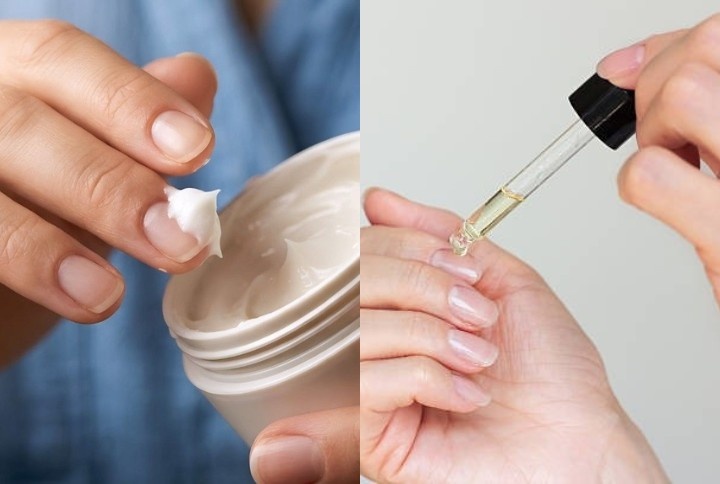
2. Apply Cuticle Oil & Hand Cream Daily
Why it matters: Your cuticles are the seal around your nail matrix. When they dry out, they crack, peel, and pull away—creating entry points for lifting and breakage. Hydration is the #1 factor in flexible, strong nails.
How to do it:
- Massage a drop of cuticle oil into the base of each nail morning and night.
- Follow with a rich hand cream to lock moisture into the skin and nail plate.
- Look for formulas with jojoba oil, vitamin E, or glycerin—they absorb quickly and don’t leave a greasy residue.
💡 Pro Tip: Keep a rollerball oil in your bag or by your sink. Consistency matters more than quantity. One minute, twice a day, changes everything.
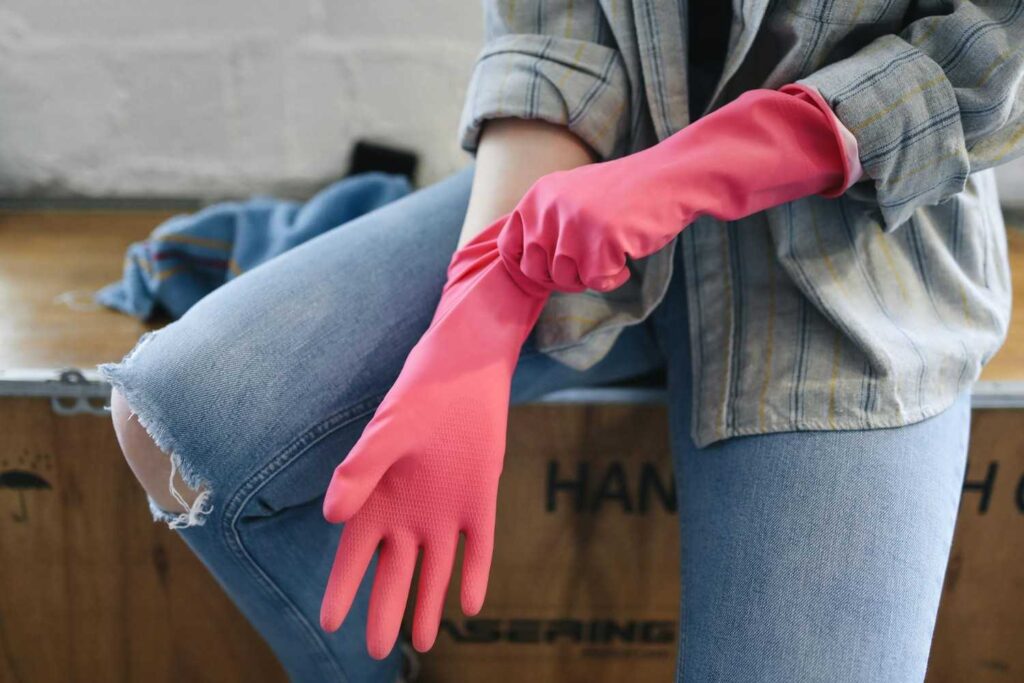
3. Wear Gloves for Household Chores
Why it matters: Water, dish soap, bleach, and cleaning chemicals break down polish bonds, soften acrylic/gel structures, and strip natural oils from your nail plate. Prolonged exposure = lifting, yellowing, and brittleness.
How to do it:
- Wear waterproof rubber or nitrile gloves when washing dishes, cleaning bathrooms, or using chemical products.
- For dry chores (dusting, folding laundry, gardening), wear lightweight cotton gloves to reduce friction and micro-scratches.
- Keep a pair by your kitchen sink or cleaning caddy as a visual reminder.
Pro Tip: If gloves feel bulky, try fitted nitrile exam gloves—they’re thin, durable, and won’t interfere with typing or gripping.
4. Avoid Prolonged Heat Exposure
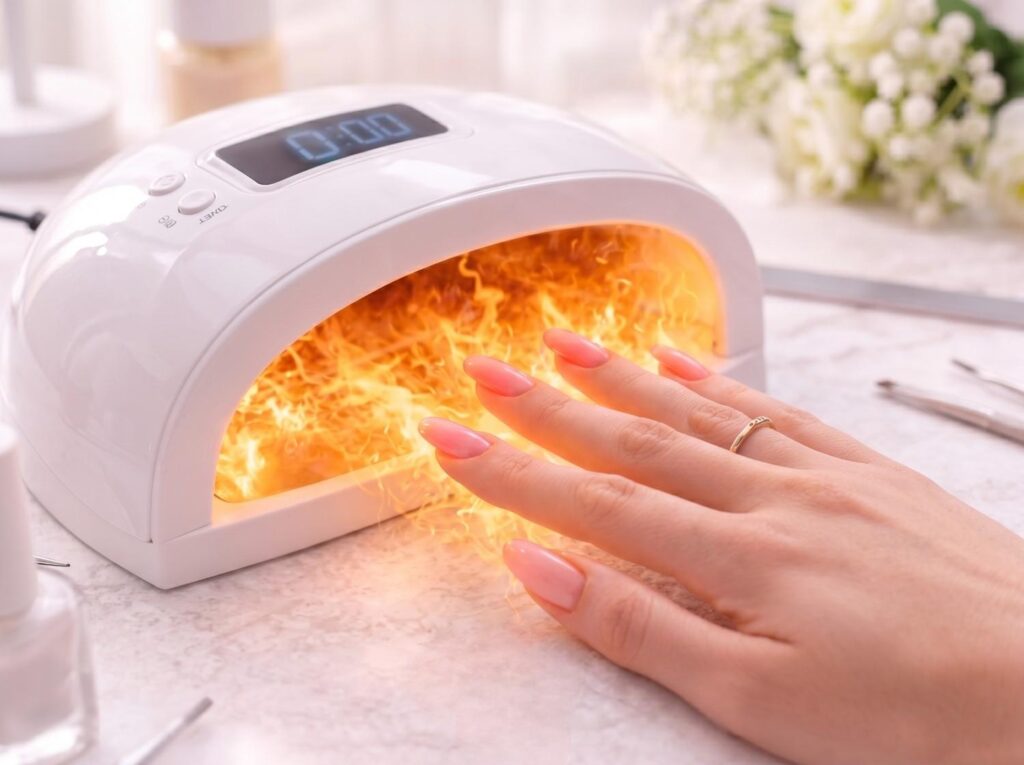
Why it matters: Extreme heat softens gel and acrylic formulas, causes the natural nail to expand and contract, and speeds up polish breakdown. Saunas, hot tubs, steam rooms, and even prolonged hot showers can weaken your manicure’s structure.
How to do it:
- Stick to lukewarm water for washing and bathing.
- Keep hands away from direct heat sources (hair dryers, curling irons, oven racks, car heaters).
- If you love hot baths or spas, limit soak time to 10–15 minutes and moisturize immediately after.
💡 Pro Tip: Heat doesn’t just affect polish—it dries out your nail bed. Always rehydrate after steam or sun exposure.
5. Never Try to Repair Damaged Acrylics or Gels Yourself
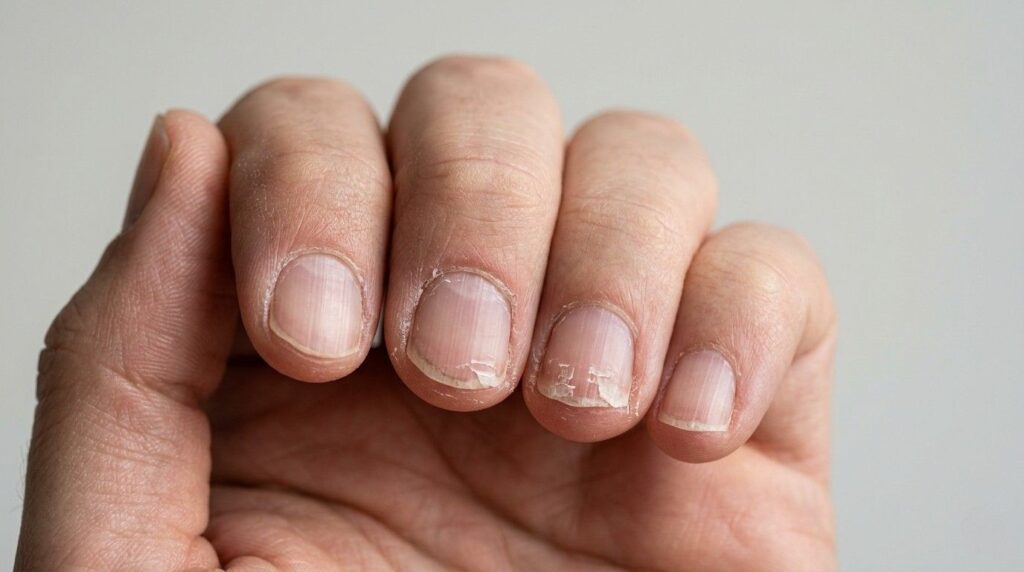
Why it matters: DIY fixes often trap moisture, cause uneven curing, or damage the natural nail bed. Peeling, picking, or gluing lifted extensions tears away layers of your natural nail and creates uneven stress points.
How to do it:
- If you notice lifting, cracking, or separation, leave it alone. Do not pry, peel, or file underneath.
- Gently smooth any sharp edges with a fine file to prevent snagging.
- Book a professional fill or safe removal as soon as possible.
💡 Pro Tip: Keep a small emergency kit (file, buffer, cuticle oil) in your bag for quick touch-ups—but never attempt structural repairs at home.
6. Use Acetone-Free Nail Polish Remover
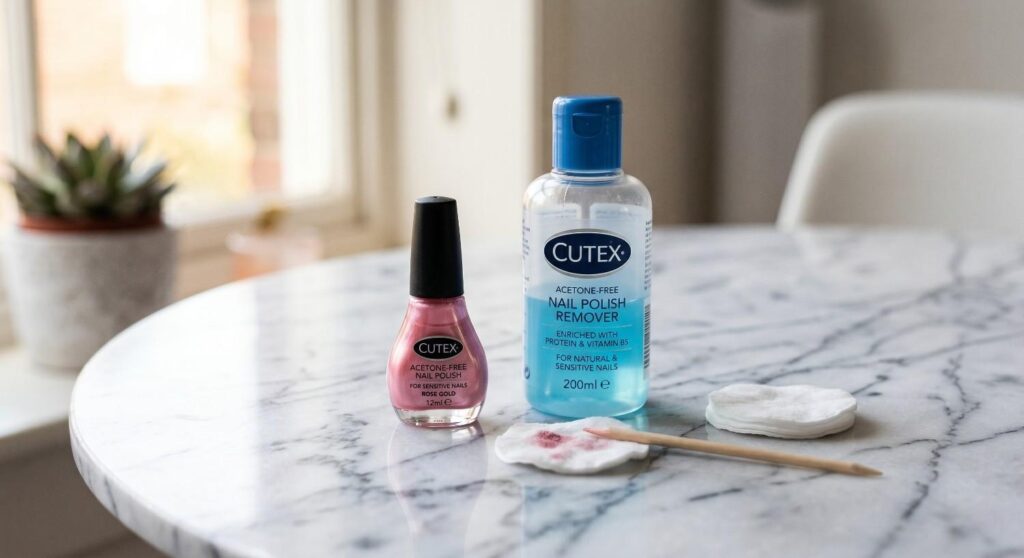
Why it matters: Acetone is extremely drying. It strips natural oils, weakens the keratin structure, and causes brittleness, ridges, and peeling over time. Acetone-free formulas gently dissolve polish without compromising nail health.
How to do it:
- Choose removers with nourishing additives like soy, vitamin E, glycerin, or almond oil.
- Press a saturated cotton pad onto the nail for 30 seconds, then wipe gently in one direction. Never scrub.
- Follow up immediately with cuticle oil to replenish lost moisture.
💡 Pro Tip: For gel or dip removal, always soak professionally. At-home acetone soaking without proper technique is the #1 cause of thin, damaged nails.
7. Schedule Maintenance Appointments Every 3–4 Weeks
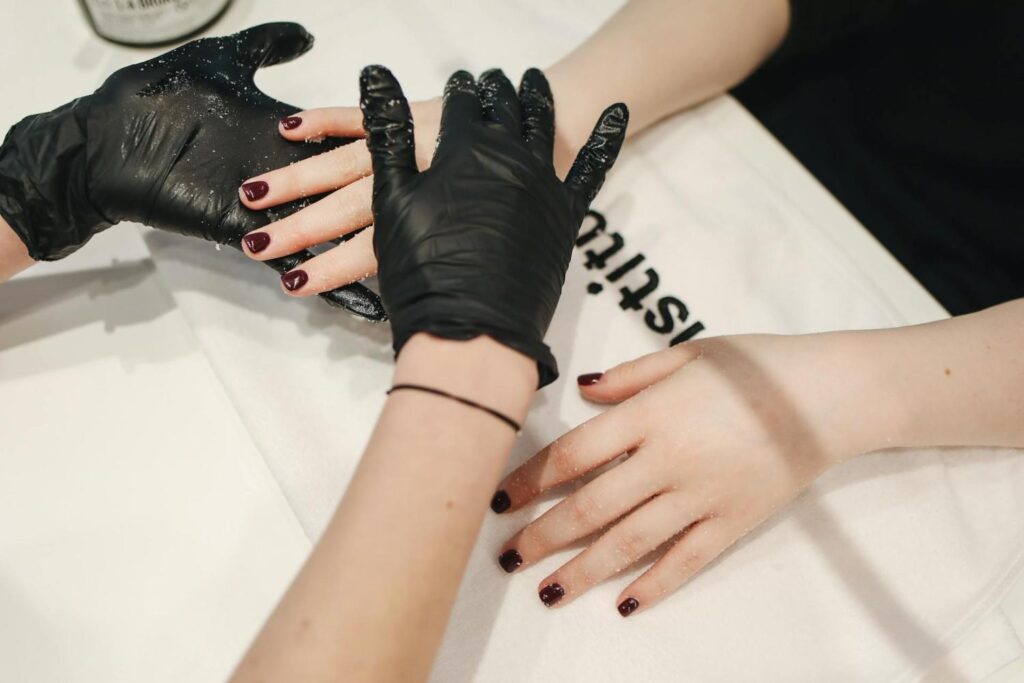
Why it matters: Natural nails grow about 1/8 inch per month. Waiting too long causes stress on the growth line, increases lifting risk, and makes removal more difficult. Regular fills keep the structure intact, prevent breakage, and protect your natural nail underneath.
How to do it:
- Book your next fill or touch-up before leaving the salon.
- Stick to the 3–4 week window for gels, acrylics, and dip powder.
- For regular polish, a fresh base + top coat every 7–10 days maintains freshness and prevents wear.
💡 Pro Tip: Use a calendar reminder. Consistent maintenance is cheaper, faster, and healthier than emergency repairs or full removals.
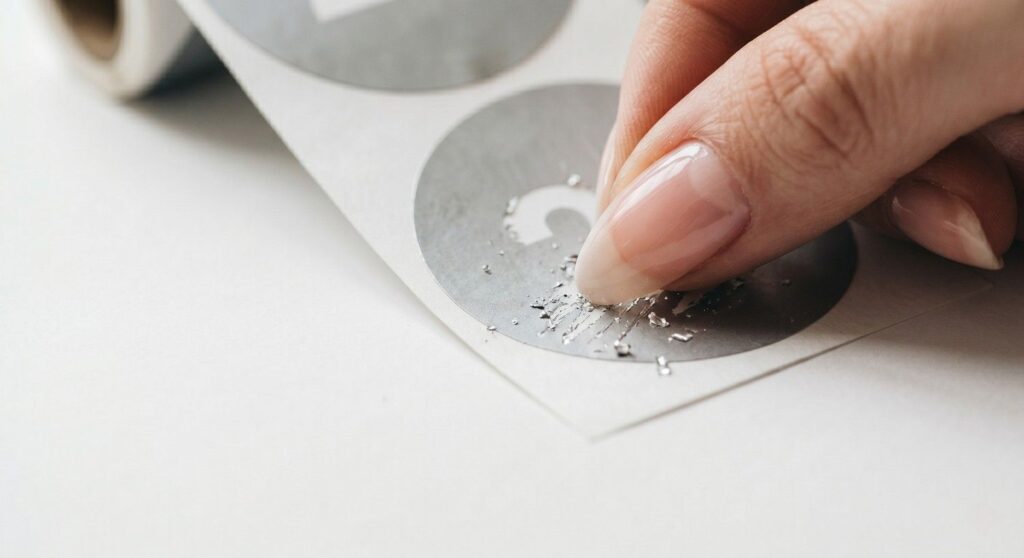
8. Stop Using Your Nails as Tools
Why it matters: Prying open cans, scratching labels, typing aggressively, or picking at surfaces creates micro-fractures, chips edges, and stresses the nail bed. Your nails are designed for protection and precision—not leverage.
How to do it:
- Use the pads of your fingers, your knuckles, or actual tools (scissors, can openers, styluses, credit cards).
- Keep a small multitool or keychain opener in your bag, car, or desk drawer.
- Practice the “finger pad” habit until it becomes second nature.
💡 Pro Tip: If you catch yourself using a nail as a tool, pause and ask: “Is there a better way?” Small shifts in habit prevent major damage over time.
Aftercare Is Where the Magic Happens
A beautiful manicure is only as strong as the care that follows it. These 8 tips aren’t about perfection—they’re about protection. By washing gently, moisturizing consistently, wearing gloves, avoiding heat and DIY fixes, choosing kinder removers, staying on schedule, and treating your nails with respect, you’ll extend your manicure’s life, protect your natural nails, and keep your hands looking effortlessly polished.
Nail care isn’t a luxury. It’s a daily practice of self-respect. Start with one tip this week. Build the habit. Watch how your nails respond.
Save this guide for your next manicure, share it with a friend who’s tired of chipped polish, or simply pause tonight and massage oil into your cuticles. Your nails will thank you.