You booked the appointment. You picked the perfect shade. You walked out with glossy, flawless nails—expecting them to last at least two weeks.
But by day three? A tiny lift near the cuticle. By day five? Peeling at the sides. And suddenly, your “long-lasting” manicure looks like it’s barely hanging on.
Sound familiar?
You’re not alone—and it’s not bad luck. Gel nails lifting is one of the most common frustrations in nail care. But here’s the good news: it’s almost always fixable.
In this guide, we’ll uncover the 8 real reasons your gel nails keep lifting—from salon prep mistakes to everyday habits you didn’t even know were sabotaging your manicure. Plus, we’ll give you simple, actionable fixes so your next set actually lasts.
Let’s get to the root of the problem—so you can enjoy gel that stays put, shines bright, and feels worth every penny.
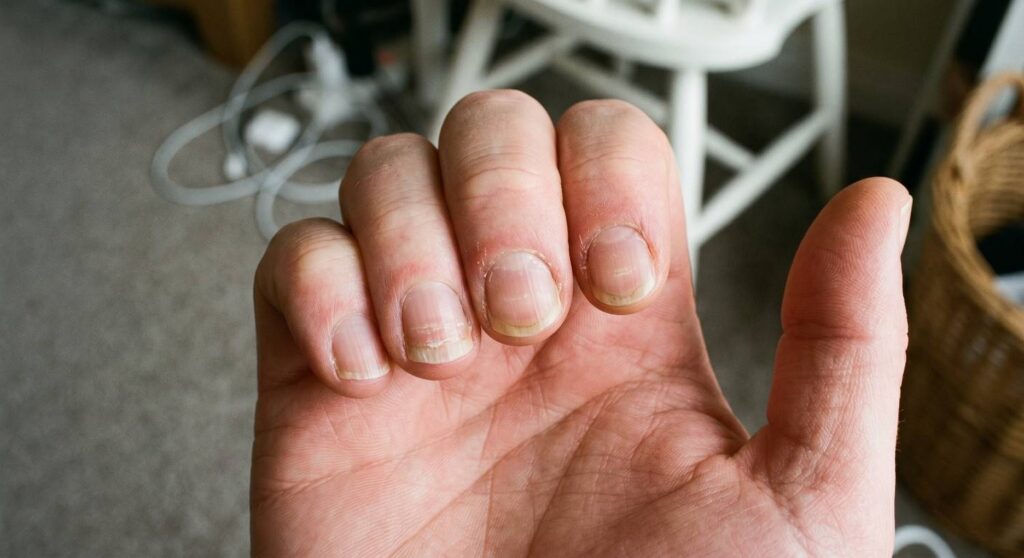
What Does “Lifting” Actually Look Like?
Before we dive in, let’s recognize the signs early:
- A tiny air bubble near the edge or cuticle
- The polish snags on fabric or hair
- A hollow sound when you tap your nail
- A visible gap between your natural nail and the gel
- Roughness or flaking at the free edge
These may seem minor—but once lifting starts, moisture and bacteria sneak underneath, making it worse fast. Catch it early, and you can often save your manicure. Ignore it, and you risk infection or full peeling.
Now, let’s explore why it happens—and how to stop it.
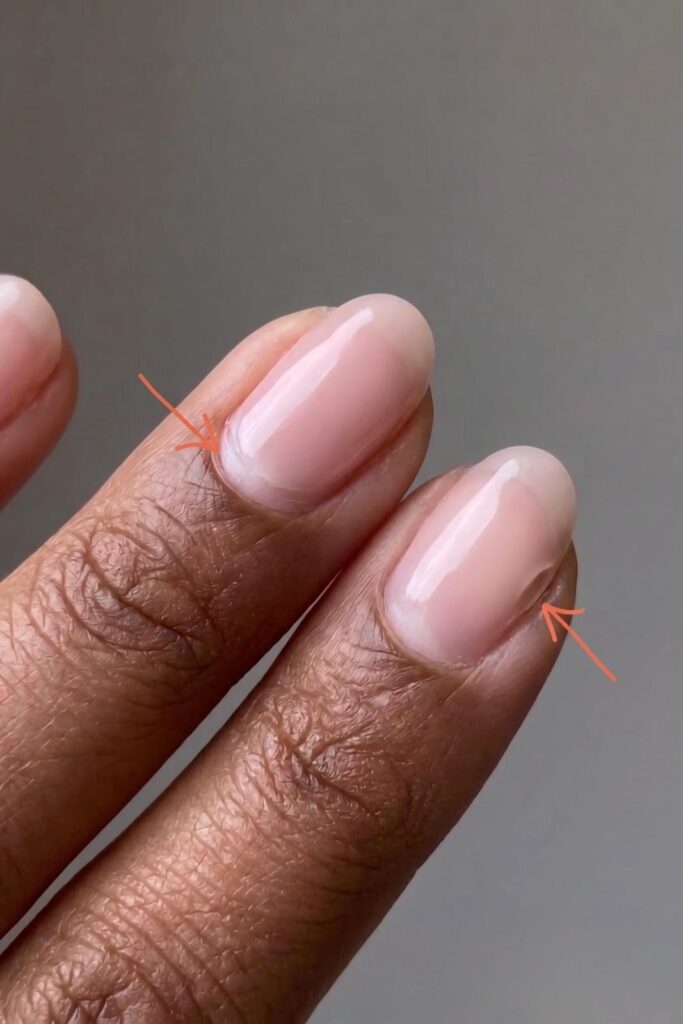
1) Natural Oils Block Adhesion
Your nails produce natural oils—just like your skin. Invisible but powerful, these oils create a slippery barrier that prevents gel from bonding to your nail plate.
Why it lifts: If your tech skips the oil-removal step (or uses a damp cloth instead of proper cleanser), the gel sticks to oil—not your nail. Within days, it peels—especially near the cuticle where oil pools.
✅ Fix: Always ensure nails are wiped with 99% isopropyl alcohol or acetone-free nail prep before application. No oils = strong bond.
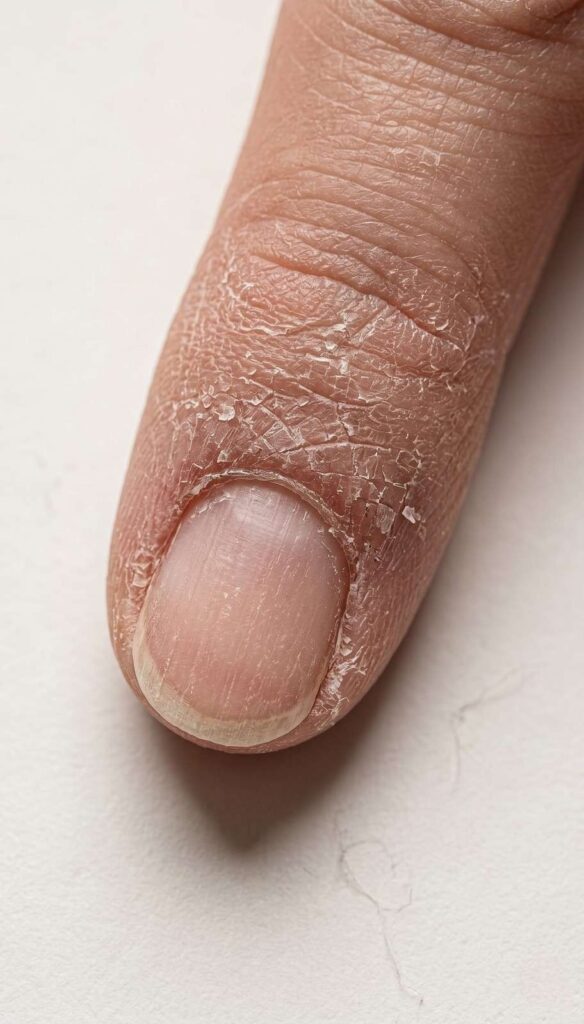
2) Poor Nail Prep Is the #1 Culprit
Gel polish doesn’t stick to smooth, dirty, or moist surfaces. Proper prep isn’t optional—it’s non-negotiable.
Why it lifts: Skipping buffing leaves the nail too slick. Leaving dust, moisture, or cuticle residue creates weak spots. Even a tiny bit of leftover skin at the base = guaranteed lifting.
✅ Fix: Demand (or do) this prep sequence:
- Shape nails
- Gently buff surface (just enough to remove shine)
- Push back cuticles
- Wipe with dehydrator + primer
- Ensure 100% dry, clean, oil-free surface
💡 Pro tip: If your nails feel “slippery” after prep, they’re not ready.
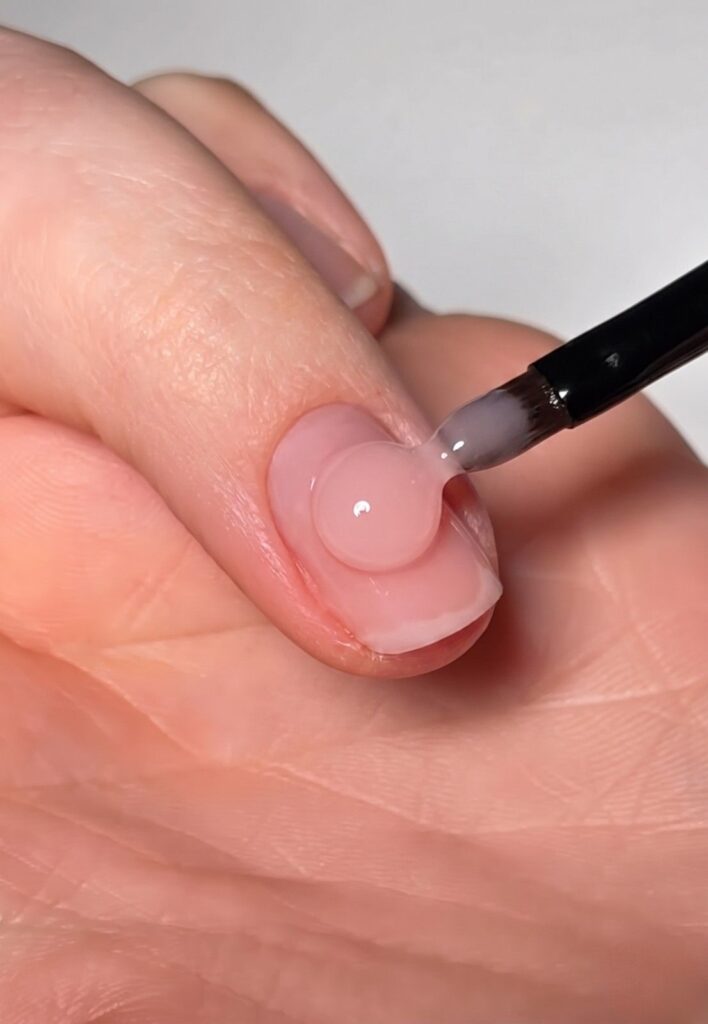
3) Applying Gel Too Thick
Thick layers look lush—but they’re a recipe for disaster.
Why it lifts: UV/LED light can’t penetrate thick gel. The top cures, but the bottom stays soft and sticky. This uncured layer shrinks, bubbles, and detaches from your nail.
✅ Fix: Apply thin, even coats. Cure each layer fully (follow brand instructions!). Better to do 3 thin layers than 1 thick one.
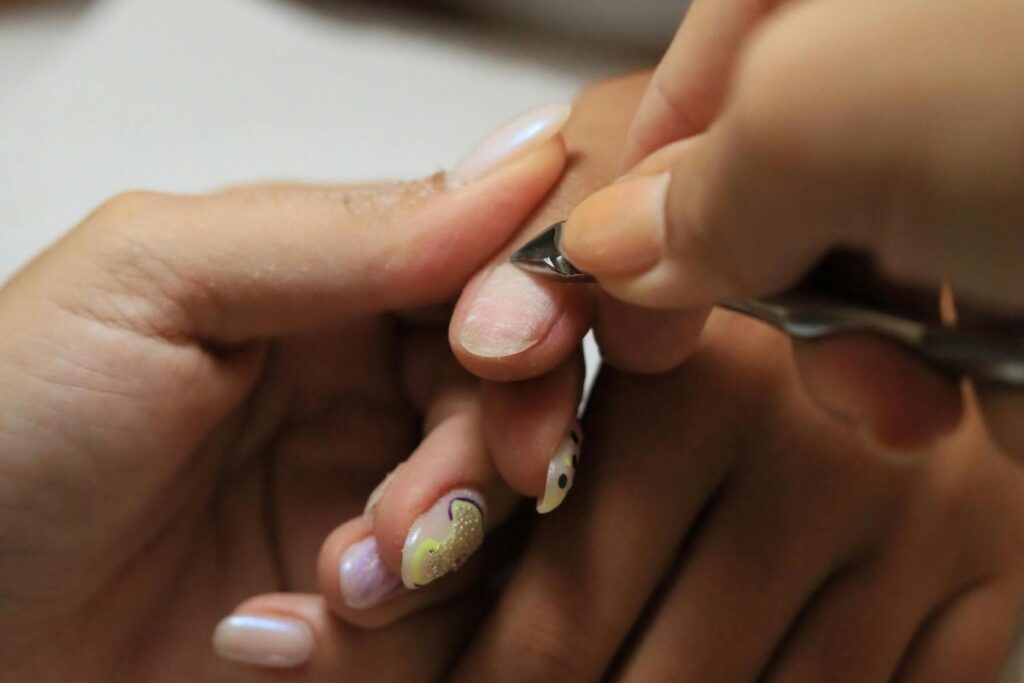
4) Cuticle Mistakes Cause Base Lifting
The cuticle zone is fragile—and critical.
Why it lifts:
- Leftover cuticle skin on the nail plate = no adhesion
- Gel flooding onto skin = constant movement pulls gel away
Even a 1mm overlap onto living skin will lift within days.
✅ Fix:
- Clean cuticle area thoroughly before applying gel
- Use a detail brush to stay 0.5–1mm away from the cuticle
- Never let gel touch skin—seal only the nail plate
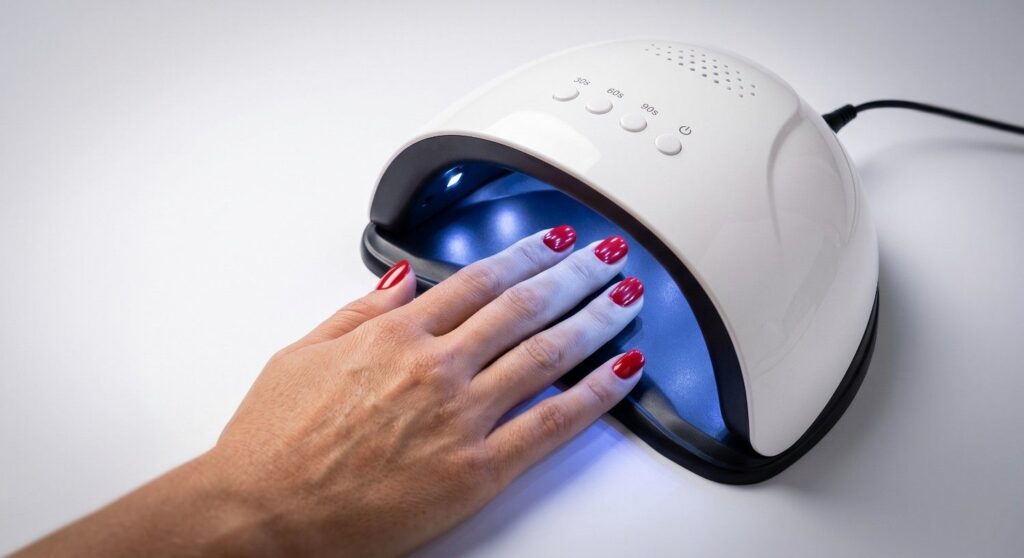
5) Weak or Old UV/LED Lamp
A lamp isn’t just a light—it’s the engine of your manicure.
Why it lifts: Weak bulbs, mismatched wavelengths, or short curing times leave gel under-cured. It feels dry but isn’t fully hardened—leading to peeling, shrinking, and lifting.
✅ Fix:
- Use a quality lamp (36W+ for LED)
- Replace bulbs every 6–12 months
- Cure each layer for the full time (don’t rush!)
- Match lamp type to your gel brand (some require specific wavelengths)
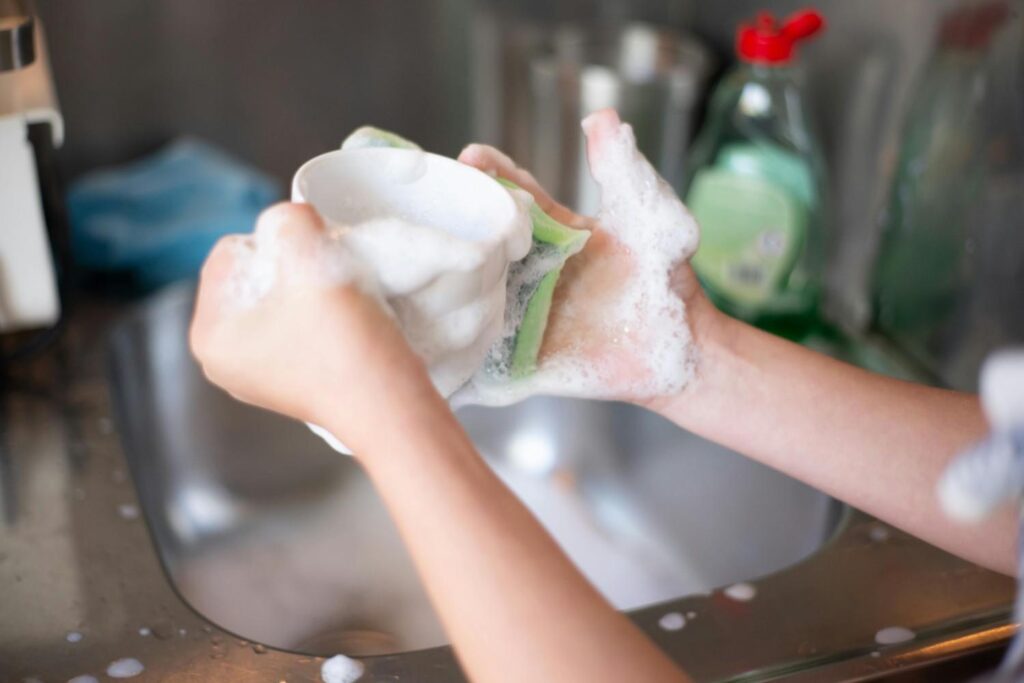
6) Everyday Habits That Sabotage Your Manicure
Your post-salon routine matters just as much as the application.
Why it lifts:
- Soaking hands (dishes, showers, swimming) → water seeps under lifted edges
- Harsh chemicals (bleach, sanitizer) → break down gel bonds
- Heat exposure (hot water, steam, hair tools) → softens gel
- Using nails as tools → chips edges, creating entry points
✅ Fix:
- Wear rubber gloves when cleaning or washing dishes
- Avoid prolonged water exposure for 24–48 hours post-application
- Apply cuticle oil daily (but not right after your manicure—wait 2 hours)
- Never pry, pick, or scrape your nails
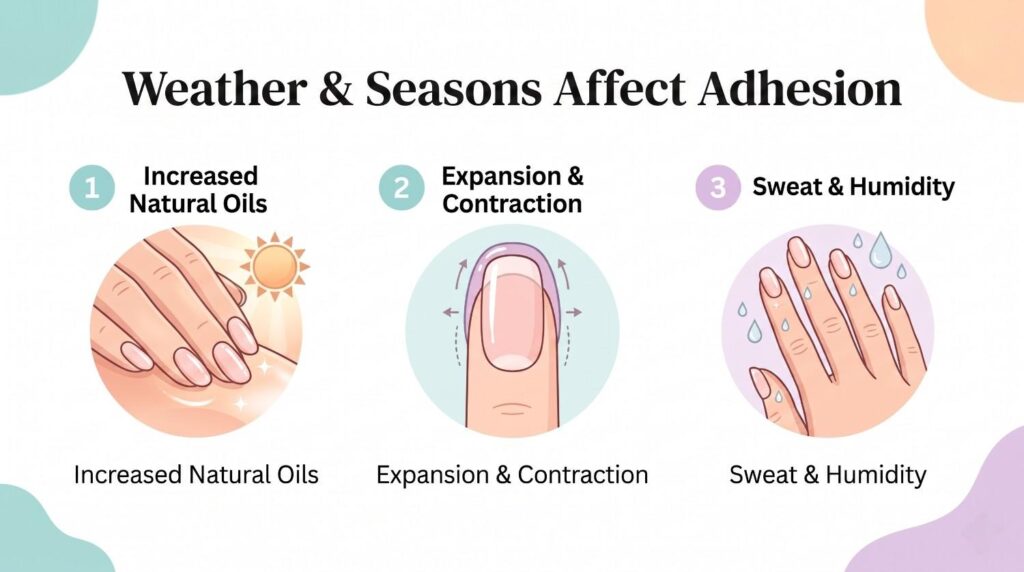
7) Weather & Seasons Affect Adhesion
Mother Nature plays a role—whether you realize it or not.
Why it lifts:
- Humidity → moisture on nails during application = poor bonding
- Cold/dry air → brittle nails crack, taking gel with them
- Heat/sweat → softens gel over time, especially at edges
✅ Fix:
- In humid climates, double-dehydrate nails before gel
- In winter, moisturize hands (but avoid cuticle oil right before your appointment)
- Always ensure nails are completely dry and room-temp before application
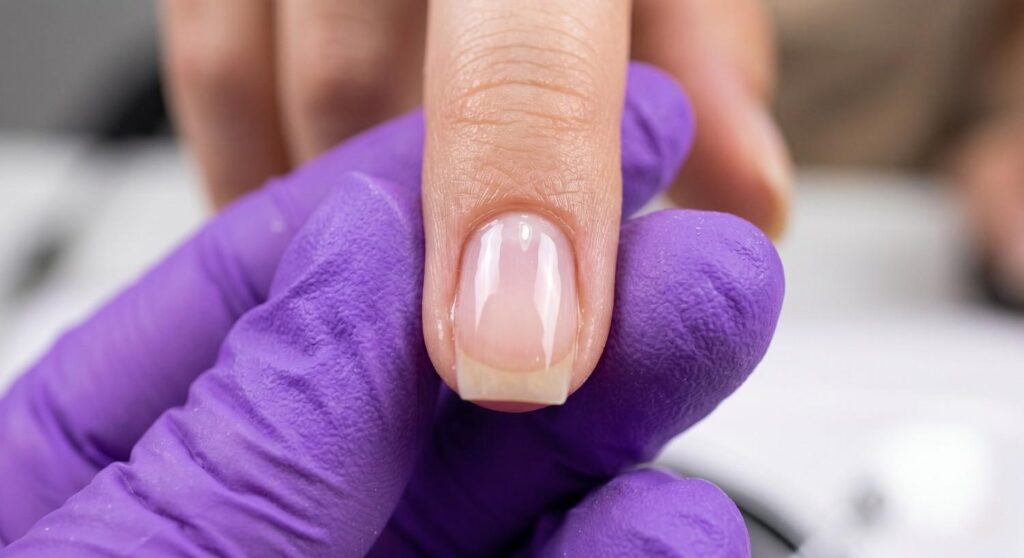
8) Your Natural Nail Type May Not Suit Gel
Not all nails are created equal.
Why it lifts: If your nails are thin, flexible, peeling, or damaged (from acrylics, over-filing, or biting), they lack the stable foundation gel needs. Gel is rigid; your nail bends. That mismatch causes stress—and lifting.
✅ Fix:
- Take a break from gel to heal your nails
- Use strengthening treatments (biotin, keratin base coats)
- Consider dip powder or regular polish while rebuilding strength
- Never apply gel over damaged or uneven nails
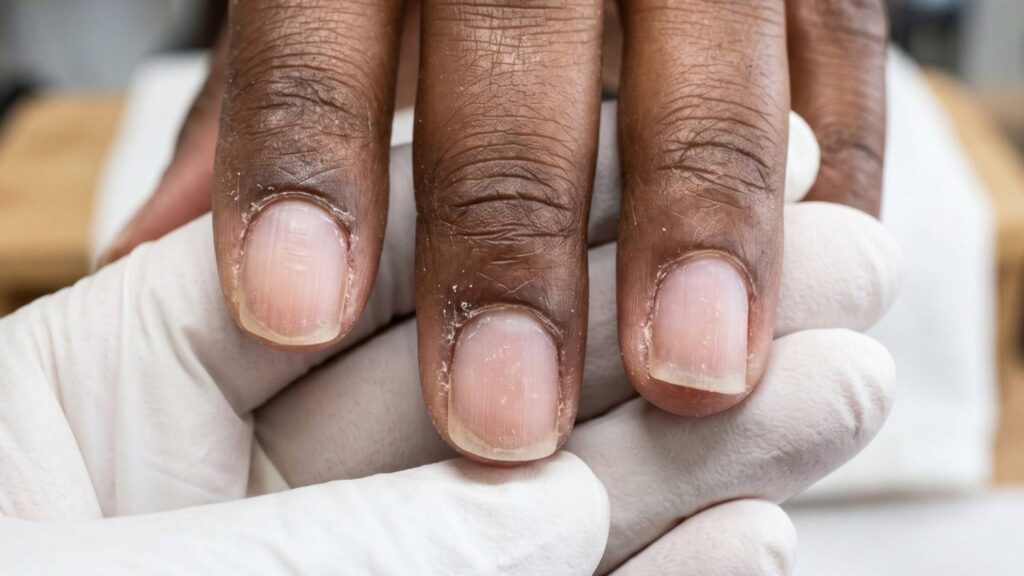
Bonus: What to Do If Lifting Starts
Caught it early? Try this:
- Don’t pick or peel—you’ll rip off layers of your natural nail
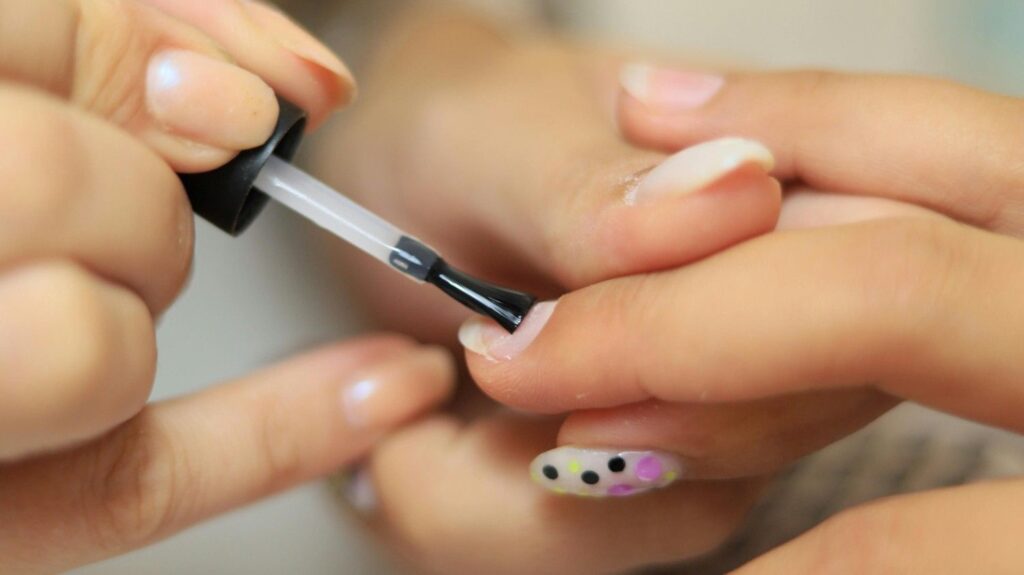
- Apply clear top coat to seal the edge temporarily
- See your tech ASAP for a fill or repair
- If it’s widespread, remove properly (soak-off, never peel!) and let nails recover
Strong Gel Starts with Smart Care
Gel nails lifting isn’t magic—it’s mechanics. And now that you know the real reasons, you’re empowered to prevent it.
Whether you’re doing your own nails or visiting a salon, remember:
Long-lasting gel isn’t about the product—it’s about the process.
Clean prep. Thin layers. Proper curing. Gentle aftercare. These aren’t “extras”—they’re essentials.
So next time you book that manicure, speak up. Ask about their prep steps. Check their lamp. Protect your nails afterward. Because you deserve a gel manicure that doesn’t just look perfect—but stays perfect.